
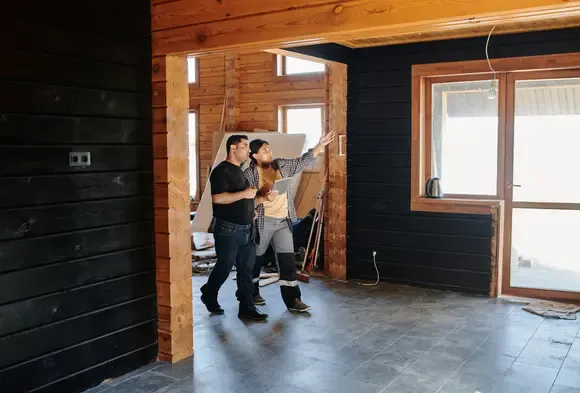
Buying a newly constructed home is an exciting milestone. Everything looks fresh, the appliances are new, and the property has been designed to provide modern comfort. However, just because a home is newly built does not mean it is completely free from defects or construction issues.
Before signing the final paperwork and receiving your keys, it is important to carefully evaluate the property’s condition. Scheduling a professional New Home Inspection in Sacramento can help identify potential problems and give you a better understanding of the home’s overall quality.
From checking the roof to testing plumbing fixtures, several important areas deserve your attention before closing. Here is a practical checklist to help you prepare.
1. Inspect the Roof and Exterior
The roof protects your home from weather damage, so it should be one of the first areas to evaluate.
Even new construction properties can have roofing installation problems, damaged materials, or incomplete finishing work.
Before closing, pay attention to:
- Missing or damaged roofing materials
- Proper flashing around vents and chimneys
- Visible gaps around roof penetrations
- Condition of gutters and downspouts
- Exterior siding and wall finishes
- Proper drainage around the property
A professional inspector can evaluate accessible roofing and exterior components and identify visible concerns that may need attention.
2. Check the Foundation and Structural Components
The foundation provides support for the entire property. Although new homes are built according to approved construction plans and applicable building codes, construction-related defects can still occur.
During a New Construction Home Inspection in Sacramento, consider checking for:
- Visible foundation cracks
- Uneven flooring
- Cracks around walls and ceilings
- Doors and windows that do not operate properly
- Signs of moisture near foundation areas
- Visible concerns with structural components
Not every small crack indicates a serious structural issue. However, unusual or significant findings should be evaluated by an appropriate specialist.
3. Test Plumbing Fixtures and Drainage
Plumbing problems can be frustrating, especially when they appear shortly after moving into a new home.
Before closing, make sure accessible plumbing fixtures are checked for proper operation.
Your checklist should include:
- Testing faucets in kitchens and bathrooms
- Flushing toilets
- Checking sinks and tubs for proper drainage
- Looking for leaks under cabinets
- Checking visible pipes and connections
- Observing water pressure
If the inspector identifies leaks, drainage problems, or other concerns, ask the builder to address them before closing or discuss an appropriate solution.
4. Evaluate Electrical Systems
Electrical systems are essential for the safety and everyday operation of your home. Installation defects can sometimes go unnoticed during a casual walkthrough.
Pay attention to the following:
- Electrical outlets and switches
- Electrical panel condition
- Visible wiring and connections
- GFCI protection where applicable
- Smoke alarms
- Carbon monoxide alarms
- Proper operation of installed lighting fixtures
Avoid opening electrical panels or handling exposed wiring yourself. A qualified inspector or electrician should evaluate electrical concerns.
5. Test Heating and Air Conditioning Systems
Sacramento experiences hot summers, which makes a properly functioning air conditioning system particularly important.
Before closing, make sure the heating and cooling equipment is evaluated.
Check for:
- Proper operation of heating and cooling systems
- Consistent airflow from accessible vents
- Unusual noises during operation
- Visible damage to HVAC equipment
- Condition of accessible ductwork
- Proper thermostat operation
A professional New Home Inspection Sacramento service can help identify visible concerns with HVAC equipment. If the system does not operate correctly, consider obtaining an evaluation from a licensed HVAC specialist.
6. Inspect Windows, Doors, and Interior Finishes
Small finishing problems may not affect the home’s structure, but they can still create inconvenience after moving in.
During your final walkthrough, check:
- Whether windows open and close properly
- Whether doors lock and latch correctly
- Cracks or damage in window glass
- Scratches on flooring
- Damaged cabinets and countertops
- Paint defects and unfinished surfaces
- Stair railings and handrails
- Bathroom fixtures and ventilation
Make a written list of incomplete work or visible damage and share it with the builder.
7. Check Drainage and Landscaping
Exterior drainage is another important consideration, particularly because water should flow away from the home’s foundation.
Look for:
- Proper ground grading around the house
- Downspouts directing water away from the foundation
- Areas where water may collect
- Damaged walkways or driveways
- Properly installed exterior drainage features
Poor drainage can contribute to moisture problems over time. If you notice unusual water accumulation, ask the builder to investigate it.
8. Review Builder Documents and Warranty Information
Before closing, do not focus only on the physical condition of the property. Reviewing important documents is equally important.
Ask the builder for:
- Builder warranty details
- Appliance manuals and warranties
- HVAC system documentation
- Information about installed equipment
- Records of required building inspections
- Details about outstanding repairs
- Maintenance recommendations
Understand what the builder warranty covers, its duration, and any exclusions. Keep copies of important documents for future reference.
9. Schedule an Independent New Home Inspection
A builder’s quality checks and local government building inspections serve important purposes, but they are not a substitute for an independent buyer-focused home inspection.
A professional inspector can evaluate accessible areas of the property and identify visible concerns before closing.
You may also consider a pre-drywall inspection if the home is still under construction. This allows certain components to be examined before they are covered by drywall.
Scheduling a professional New Home Inspection in Sacramento can help you address concerns early and make a more informed decision.
Frequently Asked Questions
Do I need a home inspection before closing on a new construction home?
Yes. An independent inspection can identify visible construction defects, installation problems, and incomplete work before you accept the property.
When should I schedule a new construction home inspection?
Ideally, consider a pre-drywall inspection during construction and a final inspection shortly before closing.
Can a newly built home have construction defects?
Yes. Even new properties can have roofing, plumbing, electrical, HVAC, and finishing issues.
Should I attend the final home inspection?
Yes. Attending allows you to ask questions, understand the inspector’s findings, and learn about the property’s maintenance requirements.
Conclusion
Closing on a newly constructed home is an important financial decision, and taking time to inspect the property can help prevent unexpected surprises. From evaluating the roof and foundation to checking plumbing, electrical systems, HVAC equipment, and interior finishes, every step matters.
A professional New Home Inspection Sacramento service can help you identify potential concerns before closing and give you greater confidence in your purchase. Review the inspection report, discuss important findings with your builder, and make sure outstanding concerns are addressed before accepting your new home.
A little preparation before closing today can help you enjoy your new home with greater peace of mind tomorrow.