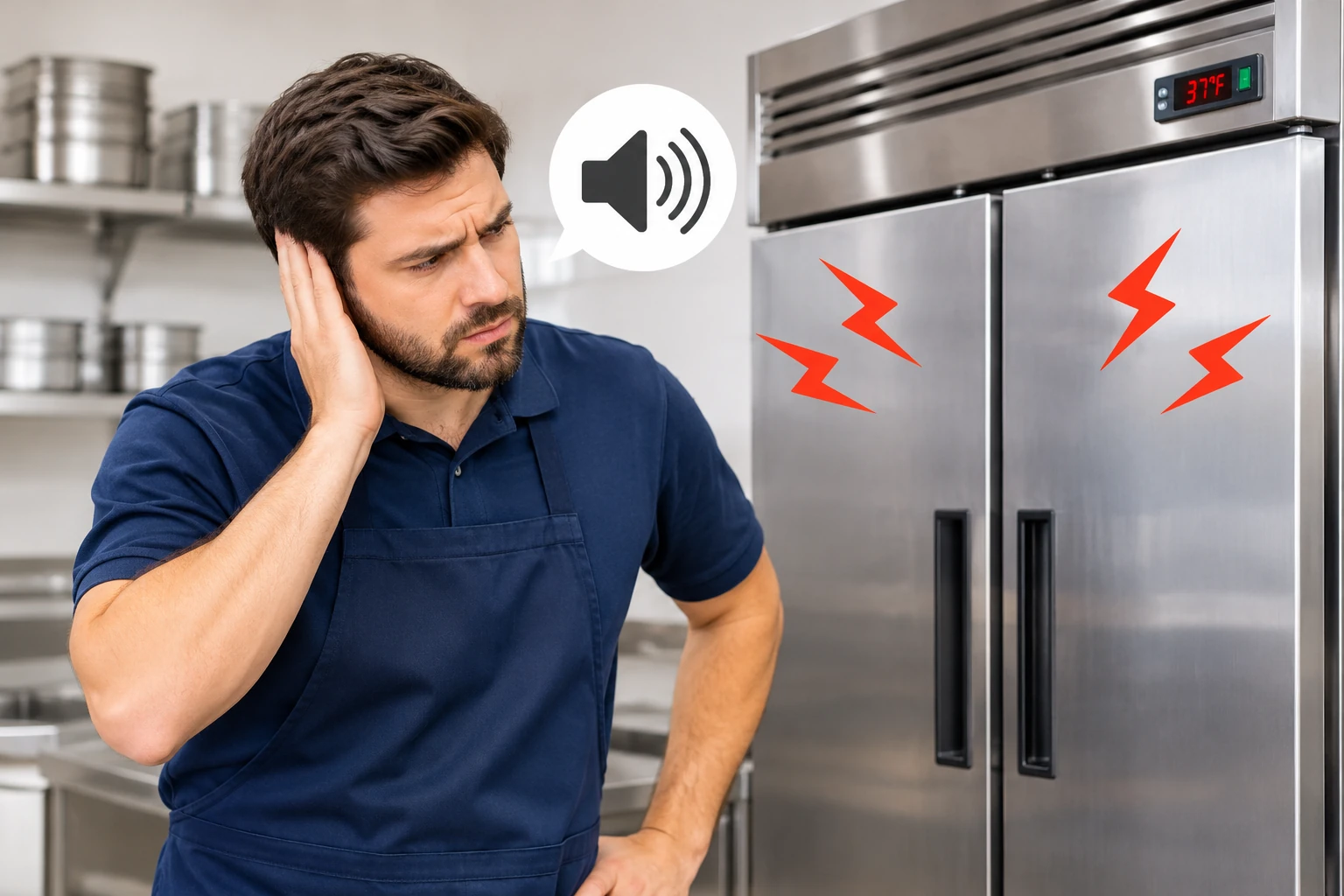
A commercial refrigerator is an essential appliance for restaurants, grocery stores, hotels, cafes, and other businesses that depend on proper food storage. It helps maintain consistent temperatures and keeps perishable products fresh. However, when a commercial refrigerator starts making unusual noises, it may indicate an underlying mechanical problem that requires attention.
Some sounds are normal during regular operation, but loud buzzing, rattling, clicking, grinding, or banging noises should not be ignored. These sounds may result from loose components, dirty condenser coils, faulty fans, compressor problems, or other mechanical issues. Understanding the possible causes can help business owners identify problems early and avoid unexpected equipment breakdowns.
In this blog, we will explore common reasons why commercial refrigerators make unusual noises and when professional repair services may be necessary.
1. Dirty or Blocked Condenser Coils
Condenser coils remove heat from the refrigeration system. When these coils become covered with dust, dirt, and grease, the refrigerator may struggle to release heat efficiently. This can force the cooling system to work harder and sometimes produce unusual humming or buzzing sounds.
Common signs include:
- Loud humming during operation.
- Increased refrigerator running time.
- Poor cooling performance.
- Higher energy consumption.
Possible solution: Clean the condenser coils regularly according to the manufacturer’s instructions. Ensure proper ventilation around the equipment. If the noise continues, contact a technician for inspection.
2. Faulty Evaporator Fan Motor
The evaporator fan circulates cold air throughout the refrigerator to maintain consistent temperatures. If the fan motor becomes worn or damaged, it may produce clicking, squealing, or grinding noises.
Ice buildup around the fan blades can also prevent them from rotating properly.
Warning signs include:
- Unusual noise coming from inside the refrigerator.
- Uneven cooling between storage sections.
- Weak airflow.
- Ice accumulation near the fan.
Possible solution: Check for visible airflow obstructions and excessive ice buildup. If the fan motor is damaged, professional inspection and repair may be necessary.
3. Compressor Problems
The compressor is one of the most important components of a commercial refrigerator. It circulates refrigerant through the cooling system and helps maintain the required temperature.
A low humming sound is generally normal during operation. However, loud banging, clicking, or vibrating noises may indicate a mechanical or electrical problem.
Possible causes include:
- Worn internal compressor components.
- Loose mounting brackets.
- Electrical starting problems.
- Excessive vibration.
- Compressor overheating.
Possible solution: Check whether the refrigerator is positioned properly and has sufficient clearance. Avoid attempting compressor repairs yourself. A qualified technician can diagnose the problem and recommend appropriate repairs.
4. Loose or Damaged Refrigerator Components
Sometimes unusual refrigerator noises result from loose internal or external components rather than major mechanical failures. Screws, panels, drain pans, and mounting brackets can become loose because of regular operating vibrations.
These components may produce rattling, vibrating, or knocking sounds when the refrigerator runs.
Common causes include:
- Loose access panels or screws.
- Unsecured shelves and storage racks.
- Vibrating drain pans.
- Loose mounting brackets.
Possible solution: Inspect accessible panels, shelves, and external components. Tighten loose screws when safe. If the noise continues, professional inspection can help identify the source.
5. Ice Buildup Around the Fan
Excessive ice buildup inside a commercial refrigerator can interfere with fan movement. When fan blades come into contact with accumulated ice, they may produce clicking, scraping, or grinding sounds.
Ice buildup can occur because of damaged door gaskets, frequent door opening, blocked drainage systems, or defrost system problems.
Common warning signs include:
- Scraping or clicking noises.
- Visible frost around the evaporator area.
- Reduced airflow.
- Inconsistent cooling temperatures.
Possible solution: Check the door seals and ensure the refrigerator closes properly. Never remove ice using sharp tools because they can damage internal components. If ice continues accumulating, contact a technician.
6. Water Drainage Problems
Commercial refrigerators produce condensation during normal cooling and defrost cycles. This moisture usually drains through a designated drainage system.
When the drain line becomes clogged or the drain pan is improperly positioned, water may accumulate and create dripping, gurgling, or bubbling sounds.
Possible reasons include:
- Blocked drain lines.
- Dirt and debris inside the drainage system.
- Improperly positioned drain pans.
- Frozen drainage passages.
Possible solution: Keep the drainage area clean and inspect accessible components for visible blockages. If water continues collecting or leaking, professional service may be required.
7. Improper Refrigerator Placement
The positioning of a commercial refrigerator can also contribute to unusual noises. When equipment stands on an uneven floor or sits too close to walls and surrounding objects, normal operating vibrations may become louder.
Common signs include:
- Continuous rattling or vibrating.
- Noises that change when the refrigerator moves.
- Unusual sounds from the bottom or sides.
- Excessive movement during operation.
Possible solution: Place the refrigerator on a stable, level surface. Maintain the recommended clearance around the equipment and avoid placing objects against its exterior panels.
When Should You Call a Professional Technician?
Not every refrigerator noise indicates a serious problem. However, persistent or increasingly loud sounds deserve professional attention, especially when accompanied by cooling issues.
Contact a qualified technician when:
- The refrigerator makes loud grinding or banging noises.
- Food storage temperatures become inconsistent.
- The compressor repeatedly clicks or shuts down.
- Fans produce continuous squealing sounds.
- Water leaks or excessive frost develop.
- Basic troubleshooting does not resolve the problem.
Professional diagnosis can help identify the actual issue and prevent unnecessary component replacements.
How Regular Maintenance Prevents Unusual Noises
Preventive maintenance helps commercial refrigeration equipment operate efficiently. Business owners can reduce unexpected breakdowns by following these practices:
- Clean condenser coils regularly.
- Inspect evaporator and condenser fans.
- Check door gaskets for damage.
- Keep drainage systems clear.
- Maintain proper airflow around equipment.
- Monitor refrigerator temperatures.
- Schedule professional inspections periodically.
These steps can reduce mechanical stress, improve cooling performance, and extend equipment lifespan.
Conclusion
Unusual noises from a commercial refrigerator should never be ignored because they may indicate developing mechanical, electrical, or cooling system problems. Dirty condenser coils, faulty fan motors, compressor issues, loose components, ice buildup, drainage problems, and improper placement are common causes.
For businesses in Woodbridge, identifying these problems early can help prevent food spoilage, equipment downtime, and unexpected expenses. If your refrigeration equipment continues making unusual noises, professional commercial refrigerator repair Woodbridge services can help diagnose the issue and restore reliable operation. Regular maintenance and timely repairs can keep your commercial refrigerator running smoothly and support your daily business operations.