
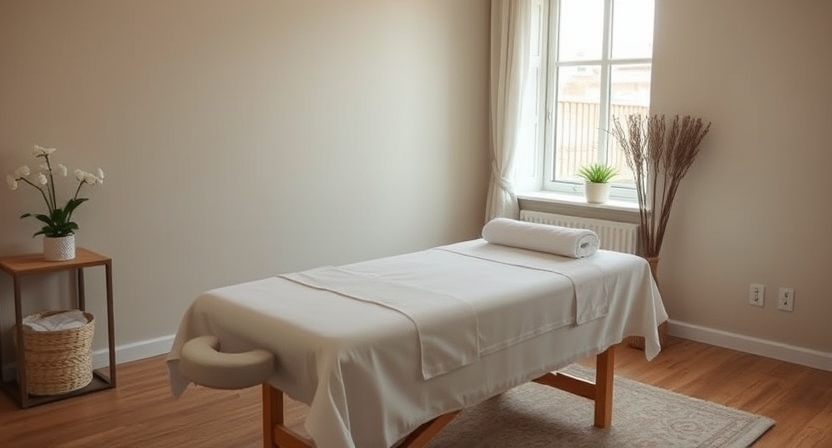
In our fast-paced modern world, finding effective ways to manage daily tension and physical fatigue remains a top priority for many health-conscious individuals. Professional massage therapy offers a structured approach to improving overall physical well-being and mental relaxation. Whether you are dealing with chronic stiffness from office work or simply seeking a reliable method to unwind after a demanding week, understanding the diverse array of techniques available can help you select the ideal treatment for your unique needs.
Navigating the Different Styles of Massage Therapy
Choosing the right style requires a basic understanding of how each technique operates. Every modality targets different layers of muscle and connective tissue, applying varied levels of pressure and movement. For instance, some practices focus exclusively on deep muscle layers, while others emphasize gentle rhythmic strokes to promote general calmness. By exploring these options, you can communicate more effectively with practitioners and tailor each session to your personal wellness goals.
A typical session often begins with a brief consultation where your practitioner assesses your current physical state. If you are experiencing specific tension zones, communicating these areas clearly ensures that your chosen form of bodywork addresses your primary concerns. Integrating a regular massage into your routine can significantly enhance flexibility, improve circulation, and support a balanced lifestyle.
Popular Modalities and Their Unique Benefits
Swedish bodywork stands as one of the most widely recognized approaches. It utilizes long, flowing strokes, kneading, and circular movements on superficial layers of muscle. This style serves as an excellent entry point for individuals who are new to bodywork or prefer a gentle, relaxing experience designed to reduce stress and promote deep tranquility.
On the other end of the spectrum, deep tissue work focuses on realigning deeper layers of muscles and connective tissue. It is particularly helpful for chronically tense and contracted areas such as stiff necks, lower back tightness, and sore shoulders. The movements are typically slower and the pressure is more concentrated, making it a favorite among athletes and individuals recovering from physical strain.
Sports-focused modalities are tailored specifically to the needs of active individuals. Whether you are training for a marathon or playing weekend sports, this approach helps prevent injuries, prepares the body for athletic activity, and aids in rapid recovery after intense exertion. Practitioners often combine various stretching and compression techniques to maintain optimal muscular health.
Trigger point techniques focus on specific areas of tight muscle fibers that can form in your muscles after injuries or overuse. These specific knots can cause pain to radiate in other parts of the body. By applying direct pressure and releasing it, practitioners can help alleviate the source of localized discomfort.
Integrating Bodywork Into Your Wellness Routine
Establishing a sustainable wellness routine involves more than just occasional self-care. Consistency is key when addressing chronic muscular tension. Incorporating regular bodywork sessions into your monthly schedule can prevent minor stiffness from developing into persistent physical discomfort. Furthermore, combining these physical practices with adequate hydration, proper nutrition, and gentle stretching at home creates a holistic foundation for lasting health.
Communication with your practitioner remains paramount throughout your wellness journey. Always provide honest feedback regarding pressure levels and room temperature, and report any medical conditions prior to your session. This ensures a safe, comfortable, and highly personalized experience every single time you visit a professional clinic.
Ultimately, investing time in understanding the various modalities available empowers you to take active control of your physical health. Whether you seek relief from everyday stress or targeted recovery support, the right approach will leave you feeling restored, balanced, and ready to face whatever challenges lie ahead.