Persistent pain can make daily activities and exercise harder. When rest, activity changes, or basic treatment has not provided enough relief, some people may explore additional physiotherapy options. Shockwave therapy is one treatment that may be considered for certain musculoskeletal conditions.
For people researching Shockwave Therapy in Mission, understanding the treatment can make the process easier.
What Is Shockwave Therapy?
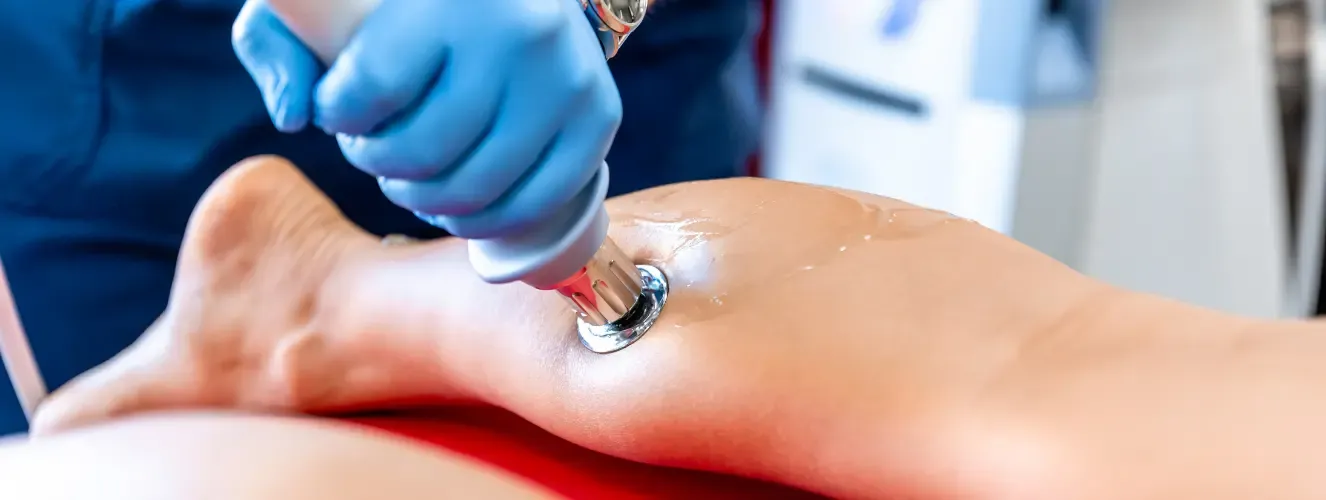
Shockwave therapy is a non-invasive treatment that uses controlled acoustic waves to target an affected area. During a session, a handheld device delivers repeated pulses of energy through the skin.
The purpose is to stimulate a biological response in the treated tissues and support the body’s natural repair processes. Treatment is commonly discussed for certain tendon, muscle, and other soft-tissue problems, depending on the individual’s assessment.
It is generally considered when symptoms have persisted and a clinician believes targeted treatment could complement an exercise-based rehabilitation program. The decision should first follow a thorough assessment.
How Does Shockwave Therapy Work?
The device delivers acoustic pulses to a selected area. The therapist adjusts intensity and location according to your condition and tolerance.
A session may involve:
- Reviewing your symptoms and treatment goals
- Assessing the affected area
- Identifying the treatment site
- Applying acoustic pulses with a handheld applicator
- Monitoring your comfort during the session
- Giving advice for activity between appointments
The treatment plan can vary from one person to another.
What Conditions May Be Treated?
Shockwave therapy is often considered for some persistent tendon and soft-tissue complaints. A physiotherapist may discuss it as part of a broader rehabilitation plan when appropriate.
Examples may include:
- Tendon-related pain
- Plantar heel pain
- Achilles tendon problems
- Tennis or golfer’s elbow
- Certain shoulder tendon conditions
- Some recurring muscle or soft-tissue issues
Not every painful condition is suitable for shockwave therapy. A proper assessment helps determine whether it fits your situation.
Potential Benefits of Shockwave Therapy
The possible benefits depend on the condition, treatment plan, and individual response. When used appropriately, shockwave therapy may be included to support rehabilitation and address persistent symptoms.
Potential advantages can include:
- A non-surgical treatment approach
- No injections required
- Short treatment sessions
- The ability to combine treatment with exercise-based rehabilitation
- Support for gradual return to normal activities
It is important to remember that results are not guaranteed, and improvement can vary between individuals.
What Does a Session Feel Like?
People can experience shockwave therapy differently. The pulses may feel strong, tapping, or uncomfortable, particularly over sensitive areas. Your therapist can adjust the settings based on your tolerance.
During the appointment, you may feel:
- Repeated tapping or pulsing
- Temporary tenderness
- Mild discomfort around the treatment area
- Increased sensitivity for a short period afterward
Your physiotherapist should explain the process and discuss any concerns before treatment begins.
What to Expect After Treatment
Most people can return to regular activities according to their therapist’s advice, although the treated area may feel temporarily tender. Your therapist may recommend temporary activity adjustments depending on your condition.
You may be given:
- Specific home exercises
- Stretching or mobility work
- Strengthening activities
- Guidance on training or workload
- Advice about monitoring symptoms
Shockwave therapy is often used alongside rehabilitation rather than as a standalone solution.
How Many Sessions Might You Need?
The number of treatments depends on your condition, symptom duration, response to therapy, and rehabilitation goals. Some plans involve multiple sessions.
Your physiotherapist can explain the schedule after assessing your condition.
Frequently Asked Questions
Is shockwave therapy painful?
It can cause temporary discomfort because the acoustic pulses are delivered directly to the treatment area. The intensity can usually be adjusted to make the session manageable.
Is shockwave therapy suitable for everyone?
No. Certain medical conditions, medications, injuries, or individual circumstances may require extra caution or make the treatment unsuitable. Professional assessment is important before treatment.
Can shockwave therapy be combined with physiotherapy exercises?
Yes. Depending on the condition, a therapist may combine shockwave therapy with strengthening, mobility, or movement-based rehabilitation.
How long does a session take?
Treatment time varies by the area and individual plan.
Conclusion
Shockwave therapy can be an option for selected musculoskeletal problems, particularly certain persistent tendon and soft-tissue complaints. Because every condition is different, assessment should come before treatment. Your physiotherapist can determine whether this approach fits your symptoms, goals, and overall rehabilitation plan.
Start Your Recovery With Legend Physiotherapy Mission
If you are exploring Shockwave Therapy in Mission, Legend Physiotherapy Mission can help you understand whether this treatment may be appropriate for your condition. Our team can assess your concerns and discuss treatment options based on your individual needs.
Contact Legend Physiotherapy Mission to discuss your symptoms and learn more about available physiotherapy care.