
A sports injury can happen to anyone, from professional athletes and weekend runners to people who simply enjoy staying active. A sudden twist, awkward landing, muscle strain, or overuse can leave you wondering how long it will take before you can return to your normal routine. One of the most common questions people ask after an injury is, “How long will recovery take?”
The answer depends on several factors, including the type and severity of the injury, your overall health, activity level, and how consistently you follow your rehabilitation plan. Physiotherapy can play an important role in helping you recover safely while gradually rebuilding strength, mobility, and confidence.
How Long Does Sports Injury Recovery Usually Take?
There is no single recovery timeline that applies to every sports injury. A minor muscle strain may improve within a few weeks, while a more significant ligament, tendon, or joint injury can require several months of rehabilitation.
Your physiotherapist will assess your symptoms and physical function before recommending a treatment plan. Recovery may be influenced by:
- The type and severity of the injury
- Your age and general physical condition
- Previous injuries in the same area
- Strength, flexibility, and mobility
- The demands of your sport or activity
- How consistently you complete recommended exercises
- Your sleep, nutrition, and overall recovery habits
Instead of focusing only on a specific number of days or weeks, it is often more useful to monitor gradual improvements in movement, strength, pain, and function.
Common Sports Injuries and Their Recovery Timelines
Different injuries require different approaches. While every person heals differently, understanding general timelines can help you set realistic expectations.
Muscle Strains
Mild muscle strains may improve within a few weeks with appropriate activity modification and rehabilitation. More severe strains can take considerably longer.
Physiotherapy may focus on restoring flexibility, gradually increasing strength, and preparing the affected muscle for the demands of your sport.
Ankle Sprains
A mild ankle sprain can sometimes improve within a few weeks, while moderate or severe sprains may require several weeks or longer. Rehabilitation is important because returning to sports too quickly may increase the risk of another injury.
Treatment may include mobility exercises, strengthening, balance training, and sport-specific drills.
Tendon Injuries
Tendon problems can take longer to recover because tendons often respond gradually to rehabilitation. Recovery may take several weeks or months depending on the condition and how long symptoms have been present.
A physiotherapist can develop a progressive loading program designed to gradually improve tendon capacity.
Knee Injuries
Knee injuries vary significantly. Some minor problems may improve relatively quickly, while injuries involving major ligaments or surgery can require months of structured rehabilitation.
Your physiotherapist can help you progress through different stages before you return to running, jumping, changing direction, or competitive sports.
What Happens During Physiotherapy Rehabilitation?
Physiotherapy is not simply about treating pain. The goal is to restore the physical abilities you need for everyday life and your specific activities.
Your rehabilitation may include:
- An initial assessment of movement, strength, and flexibility
- Exercises to restore mobility and muscle strength
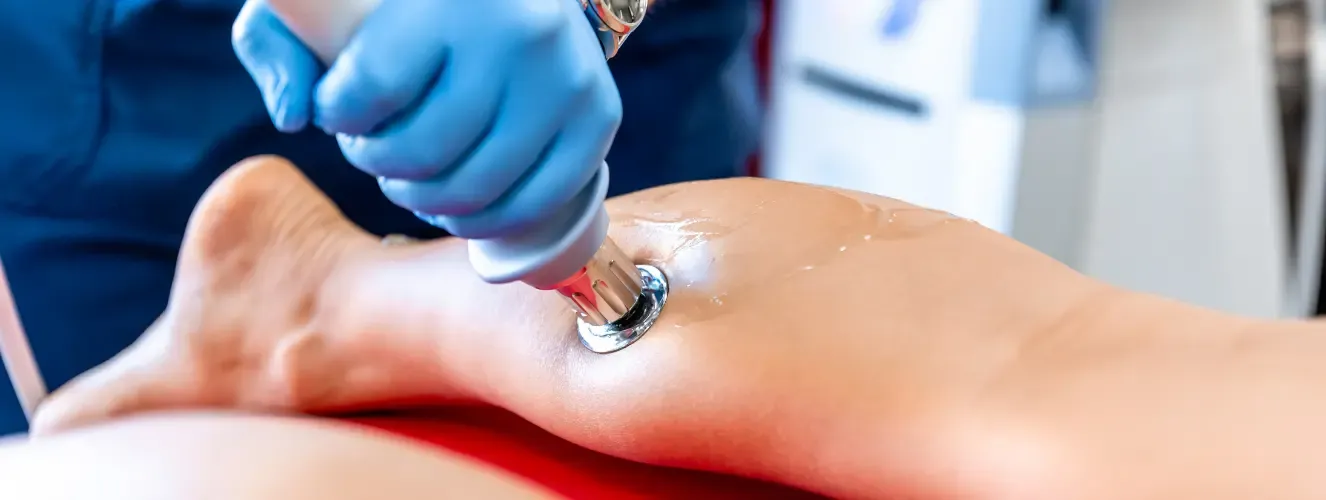
- Manual therapy when appropriate
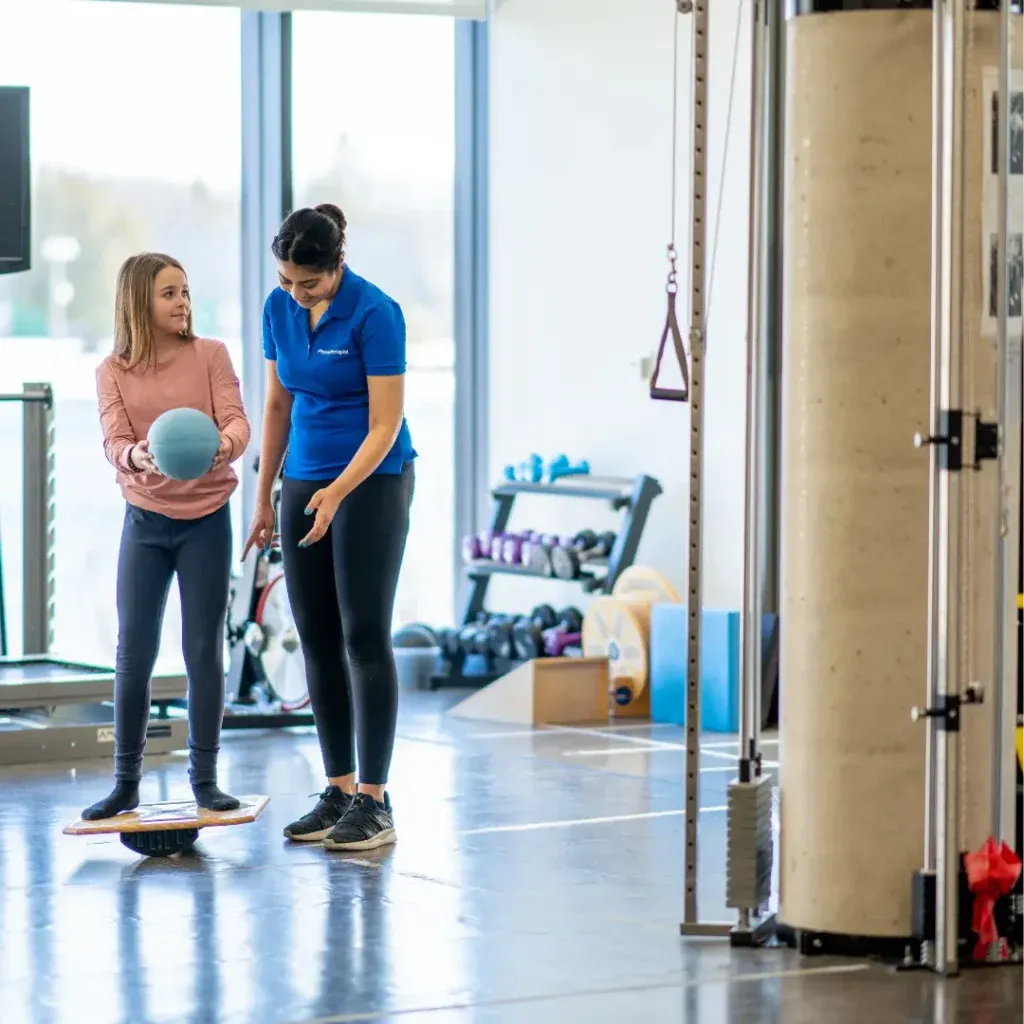
- Balance and coordination training
- Gradual return-to-sport exercises
- Education about injury prevention and activity modification
Your program should progress as your body becomes stronger. Exercises that are appropriate during the early stages may be different from those you need before returning to competitive activity.
Why Returning to Sport Too Early Can Be a Problem
Feeling better does not always mean an injury has completely recovered. Pain may decrease before strength, coordination, flexibility, or tissue capacity have fully returned.
Returning to sport too early can increase the chance of aggravating the original injury or developing another problem. This is particularly important for activities that involve sprinting, jumping, rapid changes of direction, or repetitive movements.
A physiotherapist can help you determine whether you are ready to progress instead of relying only on whether the pain has disappeared.
How Can You Speed Up a Safe Recovery?
You cannot always make an injury heal instantly, but you can support the recovery process by following a sensible rehabilitation strategy.
Helpful habits include:
- Follow your physiotherapist’s exercise recommendations consistently.
- Increase activity gradually instead of making sudden changes.
- Give your body adequate time to recover between demanding sessions.
- Maintain good sleep and balanced nutrition.
- Communicate if an exercise causes unusual or increasing symptoms.
- Avoid returning to intense sport simply because you feel slightly better.
Consistency is often more valuable than trying to do too much too quickly.
When Should You See a Physiotherapist?
Consider seeing a physiotherapist if pain continues after an injury, movement remains restricted, swelling does not settle, or you are struggling to return to your usual activities.
Professional assessment can also be helpful when an injury keeps coming back. Recurrent injuries may be related to strength deficits, movement patterns, inadequate rehabilitation, training errors, or other contributing factors.
If you experience severe pain, significant swelling, inability to bear weight, obvious deformity, or symptoms following a serious accident, seek appropriate medical assessment promptly.
Your Recovery Is Personal
The most important thing to remember is that sports injury recovery is not a race. Two people with seemingly similar injuries may recover at different speeds. Trying to match someone else’s timeline can lead to frustration or an unsafe return to activity.
A personalized physiotherapy program can help you understand your injury, track progress, and gradually rebuild the strength and confidence needed for your goals.
Whether you are a recreational athlete, student, runner, gym enthusiast, or competitive player in Canada, the right rehabilitation approach can make the journey back to activity more structured and manageable.
Get Professional Support for Your Sports Injury
If a sports injury is keeping you away from the activities you enjoy, Legend Physiotherapy Mission can help you work toward improved mobility, strength, and a safe return to your regular activities with personalized physiotherapy care.