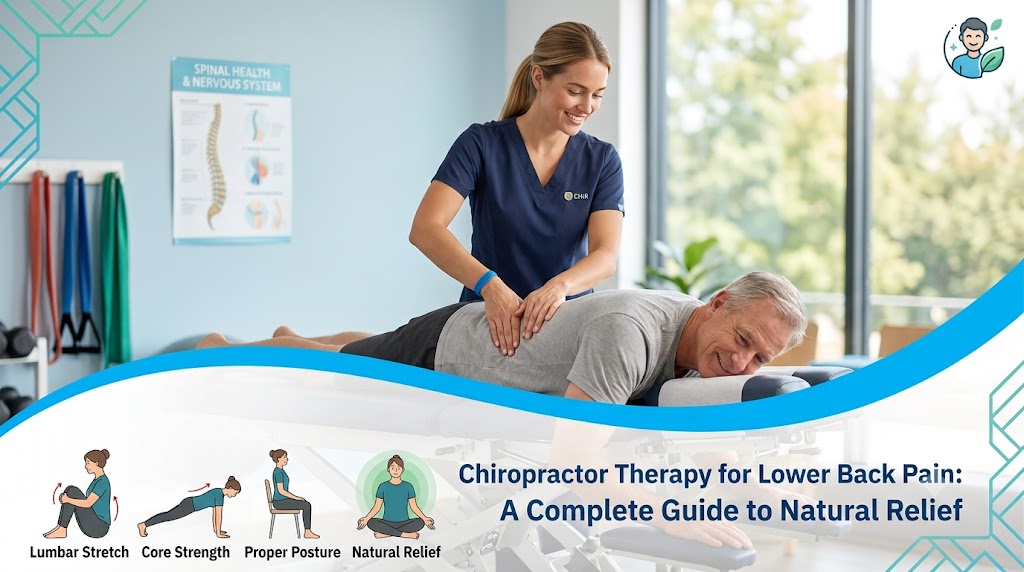

Pain, stiffness, weakness, or difficulty moving can make everyday activities harder than they need to be. Whether you are recovering from an injury, dealing with ongoing pain, or trying to regain movement after surgery, physiotherapy can play an important role in helping you return to normal activities.
But what exactly is physiotherapy, and how can it support recovery?
Physiotherapy is a healthcare profession focused on improving movement, physical function, strength, flexibility, and mobility. Physiotherapists work with people of different ages and activity levels to manage physical problems and help them reach realistic recovery goals.
In Canada, physiotherapy is available in private clinics, hospitals, rehabilitation facilities, community settings, sports environments, and other healthcare settings.
What Is Physiotherapy?
Physiotherapy is a form of healthcare that focuses on the body’s ability to move and function effectively. A physiotherapist assesses your physical condition, identifies movement limitations, and develops a treatment plan based on your individual needs.
Depending on your condition, physiotherapy may include:
- Therapeutic exercises
- Strengthening exercises
- Stretching and mobility exercises
- Manual therapy
- Joint mobilization
- Balance and coordination training
- Movement education
- Functional rehabilitation
- Advice for returning to work or sport
The goal is not simply to reduce discomfort. Physiotherapy also aims to help you improve physical function and become more confident in your everyday movements.
How Does Physiotherapy Work?
Physiotherapy generally begins with an assessment. During your first appointment, the physiotherapist may ask about your symptoms, medical history, daily activities, lifestyle, and recovery goals.
They may assess:
- Muscle strength
- Flexibility
- Range of motion
- Balance
- Coordination
- Posture
- Walking patterns
- Functional movement
After the assessment, your physiotherapist can create an individualized treatment plan. As you progress, the exercises and treatment techniques can be adjusted according to your changing needs.
For example, someone recovering from a knee injury may need strengthening and mobility exercises, while someone experiencing persistent back pain may benefit from movement training, exercise, and education about managing daily activities.
What Conditions Can Physiotherapy Help With?
Physiotherapy can be useful for many conditions affecting movement and physical function. It is not limited to athletes or people with serious injuries.
Common reasons people seek physiotherapy include:
Back and Neck Pain
Back and neck problems can interfere with sitting, standing, sleeping, working, and exercising. Physiotherapy can focus on improving movement, strength, flexibility, and physical function.
Sports Injuries
Runners, cyclists, gym users, hockey players, and other recreational athletes may seek physiotherapy after an injury. Rehabilitation can help restore strength and mobility before gradually returning to activity.
Joint and Muscle Problems
Physiotherapy may help people dealing with joint stiffness, muscle strains, tendon problems, and other musculoskeletal concerns.
Post-Surgical Recovery
Following surgery, people may experience weakness, stiffness, reduced mobility, or difficulty performing normal activities. Physiotherapy can form part of a structured rehabilitation program designed to restore function.
Balance and Mobility Problems
Physiotherapy may also support people who experience difficulties with balance, walking, coordination, or general mobility.
What Are the Benefits of Physiotherapy?
Physiotherapy can provide several benefits depending on your condition and personal goals.
1. Improves Movement
Pain and stiffness can restrict normal movement. Targeted exercises and movement strategies can help improve mobility and physical function.
2. Supports Pain Management
Physiotherapy may help manage pain by addressing factors such as weakness, stiffness, limited mobility, and movement difficulties.
3. Builds Strength
Progressive strengthening exercises can help rebuild muscle capacity after injury, illness, inactivity, or surgery.
4. Improves Flexibility
Stretching and mobility exercises can help address restricted movement and make everyday activities easier.
5. Supports Injury Recovery
A structured rehabilitation program allows you to gradually rebuild physical abilities instead of returning to demanding activities too quickly.
6. Encourages Independence
Better strength, balance, and mobility can make everyday activities easier and help people maintain independence.
What Happens During a Physiotherapy Appointment?
If you have never visited a physiotherapist before, knowing what to expect can make the experience easier.
Initial Assessment
Your physiotherapist will discuss your symptoms, medical history, lifestyle, and goals. They may also perform physical tests to understand your movement and functional limitations.
Treatment Plan
Once the assessment is complete, the physiotherapist will explain their findings and recommend an appropriate treatment approach.
Exercises and Treatment
Your session may include exercises, manual techniques, mobility work, balance training, or movement education depending on your condition.
Home Exercise Program
You may receive exercises to complete between appointments. Following these recommendations consistently can support your progress.
How Long Does Physiotherapy Take?
There is no fixed recovery period for physiotherapy. Every person and condition is different.
Treatment duration may depend on:
- Type and severity of the condition
- How long you have experienced the problem
- Your general physical condition
- Your treatment goals
- Your response to treatment
- Consistency with recommended exercises
Some people may notice improvements within a short period, while more complex or long-term conditions can require a longer rehabilitation program.
Your physiotherapist can monitor your progress and modify your treatment plan when necessary.
Physiotherapy in Canada
Physiotherapy is an established healthcare profession in Canada, and services are offered in various healthcare and rehabilitation settings.
Depending on your location and circumstances, you may find physiotherapy services through:
- Private physiotherapy clinics
- Hospitals
- Rehabilitation centres
- Community programs
- Long-term care facilities
- Sports and fitness environments
- Workplace rehabilitation programs
Coverage can vary between provinces and insurance plans. Some extended health benefit plans provide coverage for private physiotherapy, while publicly funded programs may be available for specific circumstances or populations.
Before starting treatment, check your health benefits plan and relevant provincial or territorial healthcare information to understand your coverage.
Who Can Benefit From Physiotherapy?
Physiotherapy may be worth considering if you experience:
- Persistent or recurring pain
- Muscle weakness
- Joint stiffness
- Reduced mobility
- Balance problems
- Difficulty walking
- Sports injuries
- Work-related physical problems
- Recovery challenges after surgery
- Difficulty returning to normal activities
You do not have to be an athlete or have a major injury to benefit from physiotherapy. Even everyday movement difficulties can affect your quality of life.
Conclusion
Physiotherapy is a personalized approach to improving movement, strength, mobility, and physical function. From sports injuries and back pain to post-surgical rehabilitation and mobility challenges, physiotherapy can support people at different stages of life.
The right treatment depends on your individual condition, lifestyle, and goals. A qualified physiotherapist can assess your needs and develop a rehabilitation plan that works toward your specific recovery objectives.
If pain, stiffness, weakness, or limited mobility is affecting your daily life, taking the first step toward professional assessment can help you better understand your options.
Take the Next Step Toward Better Movement
Ready to work toward better movement and improved physical function?
Contact a trusted physiotherapy clinic in Canada today to book an assessment and discuss how a personalized physiotherapy program can support your recovery and help you get back to the activities you enjoy. Visit At Legend Physiotherapy Mission